Categories
Equity Work Mentoring Student Work

Micro-Intervention and Co-Creation at a Family Shelter

ACSA Conference Submission co-authored by faculty Sameena Sitabkhan and ARH 498 students Kim Ebueng, Lowai Ghaly, Mazen Ghaly, Andrew Hart, Mohamed Meawad, Kenny Soriano

Keywords: co-creation, micro-intervention, unhoused families, family shelter, community school

Micro-interventions can powerfully disrupt the systems that preclude an empowering experience in family shelters. Through co-creation, families can actively participate in the design research process. Valuing lived experiences of unhoused families removes the power imbalance between those with and without design training. Co-creation at the micro-scale prepares architecture students with skills to usher in change in the design practice.

EMERGENCY CONGREGATE FAMILY SHELTER
The Stay Over Program is an emergency congregate family shelter located in the gym of the Buena Vista Horace Mann K-8 Community School (BVHM) in San Francisco. The shelterโ€™s 69 beds comprise 79% of all available congregate family shelter beds in SF.1 Congregate shelters are used as a last resort for families when there is no other temporary housing option available.

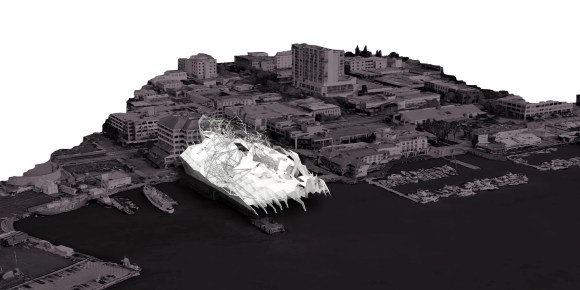
Stay Over Program Shelter at BVHM School

The number of unsheltered families fluctuates, so an estimate is based on a Point-in-Time (PIT) count. Conducted every two years using the HUD criteria, the count includes people in shelters, cars, and sleeping rough. The most recent PIT count was conducted on 2/23/2022 between 8pm and 12am. On this night, 7,754 people were counted of which 605 people were in families. Seventy-eight people in families were found to be unsheltered.2

SFUSD counts its unhoused students using a broader criterion, the McKinney-Vento Act, a federal law.3 The total count includes families temporarily staying with another family, living in homes without power or water or heat, in shelters, in weekly rate housing or motels, in abandoned buildings, cars, trailer park, campground, or on the streets. In 2022, there were 2,370 students experiencing homelessness.4

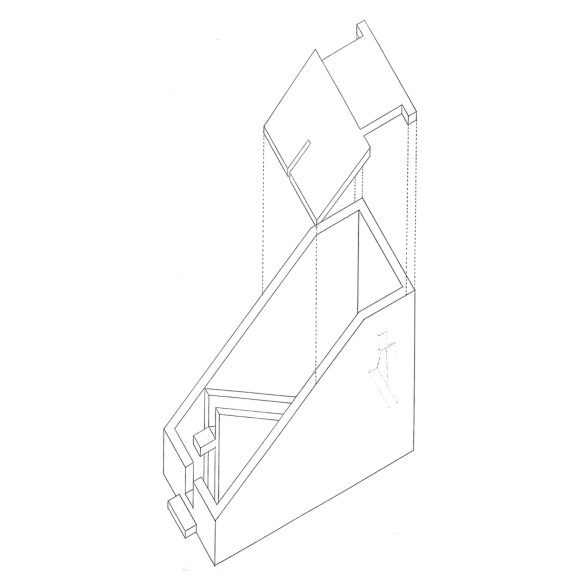
Stay Over Program Shelter Set Up

FAMILY SHELTER AT COMMUNITY SCHOOL
At the BVHM Community School, social workers connected behavior issues in three kindergarteners with their stays in congregate shelters for the general population.5 To support unhoused families at the school, the Stay Over Program was created in 2018 as an emergency family shelter. The non-profit shelter operator, Dolores Street Community Services (DSCS), worked closely with BVHM to create a warm and supportive culture leveraging the shared commonality of parents with school-aged children and their familiarity of the school grounds. The emergency shelter filled an unmet need at the community school to provide wrap-around services to meet the basic needs of the families.

NEED FOR MICRO-INTERVENTIONS
San Francisco public school capital improvements are frequently delayed by several years even after funding is approved. BVHM facilities are a century old and in dire need of improvements.6 In 2022, the school received $40 million in funding and construction was projected to be complete by the end of 2025.7 The schedule has been revised since with a new completion date of 2028.8

Evening Timeline and Space Usage

In the meanwhile, families with children sleep in the emergency shelter in less-than-ideal conditions each night. Improving the conditions is urgent as it impacts vulnerable young children during their critical developmental years. Micro-interventions, nimble and fast-paced, can leverage available resources to bring relief on a timeline of months.
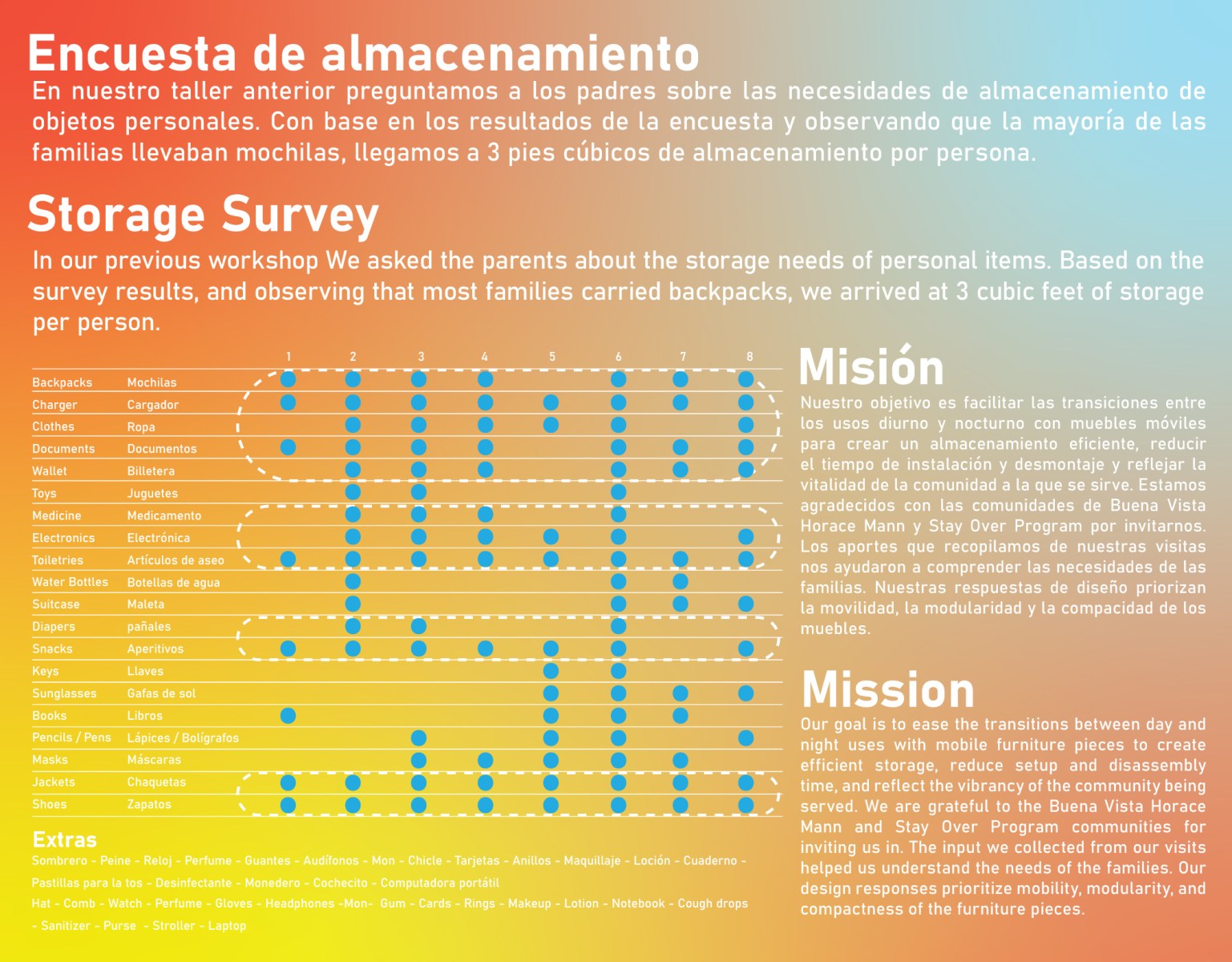
Survey on Storage Needs

WHAT NOT TO DESIGN / WHAT TO DESIGN
In 2023, we started a co-creation process to test how microinterventions can empower families, bring design identity to the shared spaces, and remove pain-points in the operations. Operationally, the dual use of the school gym is challenging. During the day the gym is used for PE classes and at night it is used as a shelter. The daily set up and break-down of beds is labor intensive. In addition, a severe lack of storage means that families must leave the shelter each morning and return each evening with their suitcases.

Additionally, the Stay Over Program, the most innovative component of this Community School, stays hidden from the day users of the space. The lack of visibility isnโ€™t representative of the deep sense of community among the families.

In the absence of a design brief, we began with observations at the shelter paralleled with research on design constraints. The project scope was defined by asking what to design as well as what not to design. Physical renovations were quickly ruled out due to asbestos abatement issues.

Fabrication Process

There was a long list of what โ€œshouldโ€ be done given the dire conditions at the shelter. The obvious needs of the families were overwhelming during initial visits, so the project scope was further defined by sorting must-haveโ€™s from nice-to-haveโ€™s. This process led to the decision to make 69 folding beds on wheels with storage compartments.
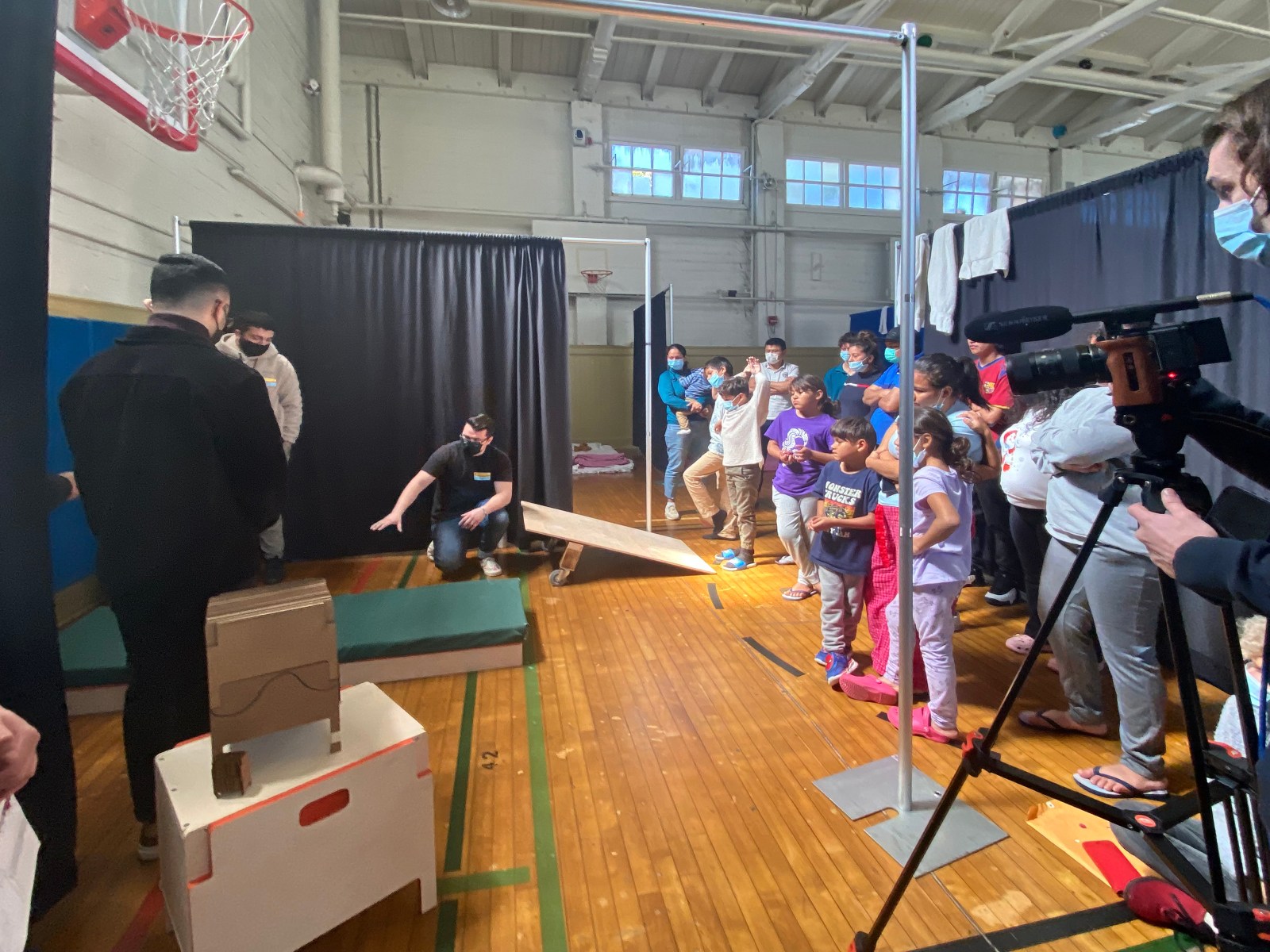
Community Workshop

EMPOWERMENT THROUGH CO-CREATION
Recognizing that levels of design literacy can create a power imbalance, full-scale prototypes were used to remove barriers to co-creation. Most of the families at the shelter were not English speakers which made the prototypes the most effective means for communication providing direct hands-on experience. Parents and children offered their design input by trying out the folding bed prototypes. Simulating the daily routine using the prototypes made it possible for the families to provide valuable design insights that could only come from โ€œsituated expertise of the people.โ€9 An example was a compartment for shoes in the folding bed which took up too much space in the suitcases.

Community Workshop
Prototype Testing during Community Workshop

To build trust with the families, and with DSCS, we documented our observations and presented design proposals as direct responses. Due to fluctuations in the shelter roster, it was critical to establish clear connections between feedback from families and design responses. This video footage captures how the prototypes engaged families during community workshops.

Prototype Testing during Community Workshop

PROTOTYPE AS EVALUATIVE TOOL
We adapted Sanders and Stappersโ€™ three approaches to codesigning, โ€œcultural probes, generative toolkits, and prototypes,โ€ to the realities of the family shelter. The โ€œgenerative research phaseโ€ was abridged due to the unpredictability of participants. 10 The families stay for different durations at the shelter. In between workshops, separated by months, some families had left the shelter upon being placed in housing or they happened to be off-site for appointments. Documentation of previous workshop sessions provided continuity when there were no returning participants.

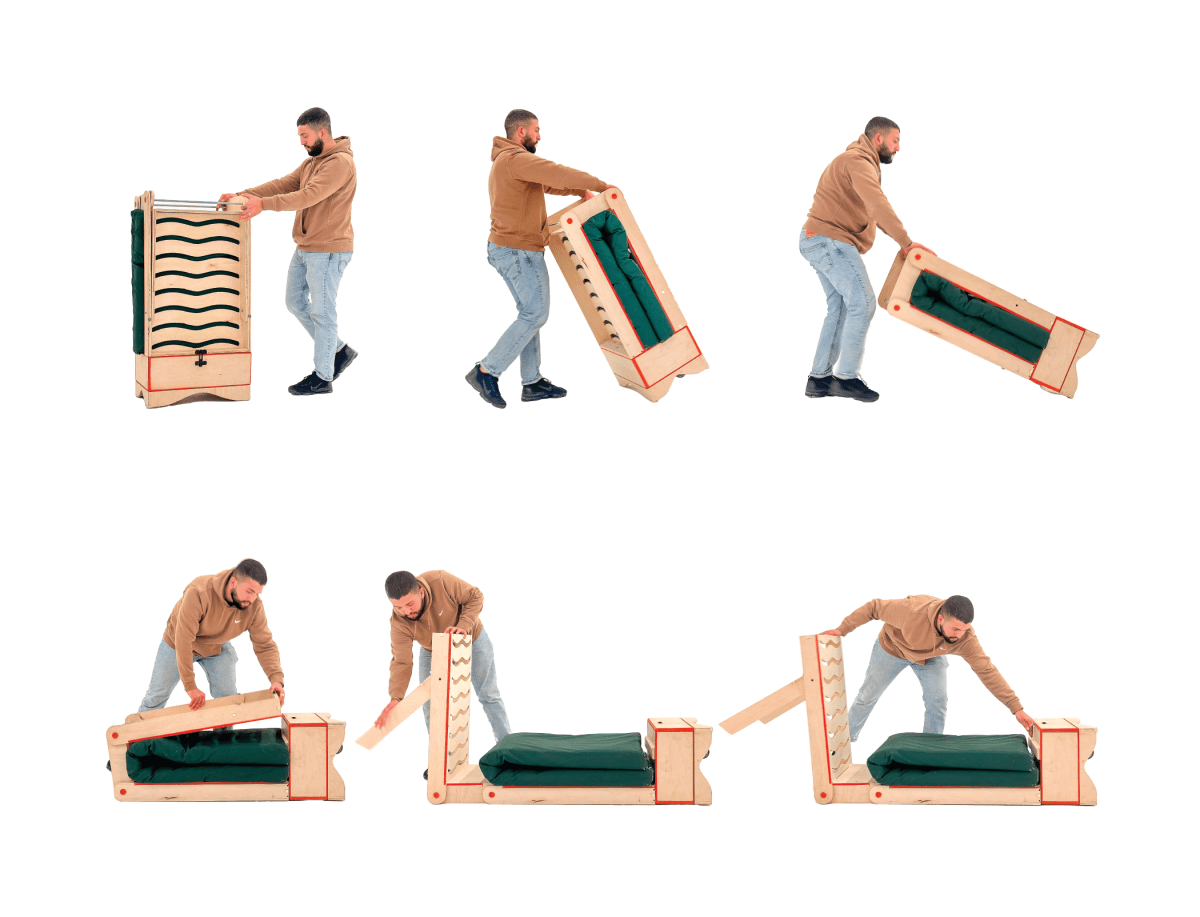
Mobile Folding Bed with Storage Compartments

EXPANDING DESIGN PRACTICES
Co-creation is not new, but it should be more widely embraced as one approach to tackle systemic problems. Paired with micro-interventions, it can reach those who are furthest away from the design process. Humility is needed to develop a co-creation method that fully benefits from widely different lived experiences.

In addition, there must be room in the curriculum for developing skills that may not align with accreditation requirements. During the โ€œfuzzy front endโ€ phase when project scope is being determined, design skills should be used on behalf of the co-creation team to develop tools for exploration and expression.11 Knowledge of material costs and fabrication processes will be essential to assess budget and schedule feasibilities. An added reward in working with children is the opportunity to introduce them to careers in design.

Architecture students who develop co-creation skills can lead the change to include more people we advocate for in design processes.

Micro-Interventions from Past Years

STUDENT REFLECTIONS ON CO-CREATION
The 69 folding beds are currently in production. Pausing to reflect on the past 8 months, students shared what they learned about co-creation:

Prototypes were compelling tools to communicate with the families. It was much more effective than diagrams. The cocreation process evealed that our assumption is not always correct. We are inexperienced in their situation. We are the tools that users need to craft their needs. (Mohamed Meawad)

Our objective was to empower the families, rekindle their sense of ownership in the use of the spaces, reestablish their visibility, and instill hope. (Andrew Hart)

Interacting with the families and getting to know them helped the project move forward. (Mazen Ghaly)

It was crucial to engage the families because they are experts in their own experiences and needs. They know the realities of living without a home and could offer valuable insights. Art and community-building activities help families feel connected to the design process. They gain a sense of control over the projectโ€™s direction and have a say in the decisions that affect their lives. When unsheltered families are seen as partners in the design process, it sends the message that homelessness is a societal challenge that we can all work together to address. (Kim Ebueng)
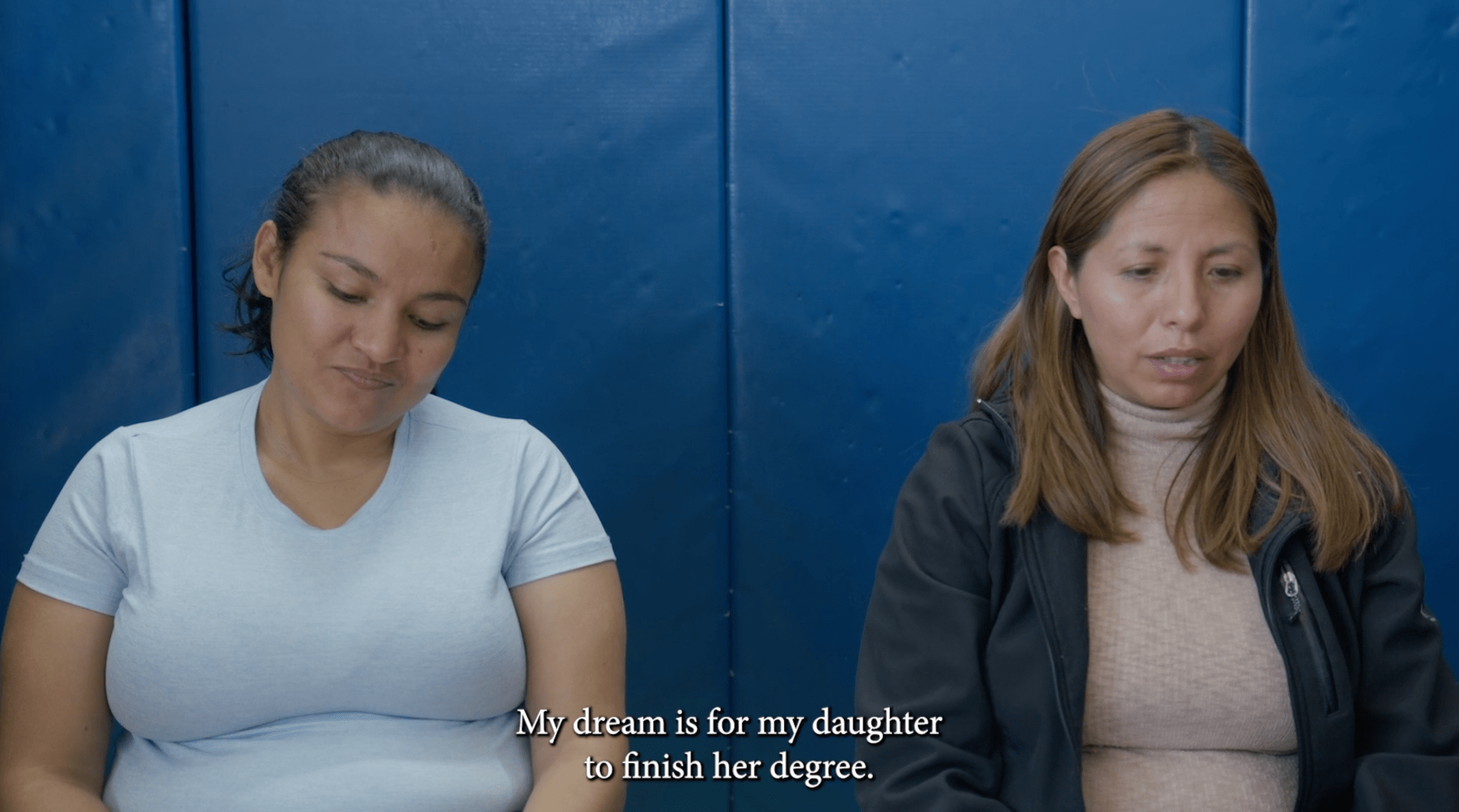
Stories of Stay Over Program Families

VIDEO STORYTELLING
On a final note, we found video storytelling an effective way to build empathy for families experiencing homelessness. At its inception in 2018, the Stay Over Program was not without its critics. There was opposition stemming from negative stereotypes associated with homelessness. Despite the skepticism, DSCS and BVHM created the warm culture at SOP that is palpable to visitors today. We invited the families to share their stories in video interviews. Tragedies rendered them temporarily unhoused, but their hopes for their children connected us. The video stories we collected helped families feel heard and highlighted the compassion and hope that the SOP program provides.

Folding Bed Assembly

ENDNOTES
1 โ€œShelter Inventory,โ€ San Francisco Department of Homelessness and Supportive Housing (HSH), accessed October 10, 2023, https://hsh.sfgov.org/services/the-homelessness-response-system/shelter/

2 โ€œPoint-in-Time Counts,โ€ San Francisco Department of Homelessness and Supportive Housing (HSH), accessed October 10, 2023, https://hsh.sfgov.org/about/research-and-reports/pit-hic/

3 โ€œEnrollment Rights of Students Experiencing Homelessness (SAFEH),โ€ San Francisco Unified School District (SFUSD), accessed October 10, 2023, https://www.sfusd.edu/services/know-your-rights/student-family-handbook/chapter-3-family-resources-and-rights/38-enrollment/384-enrollment-rightsstudents-experiencing-homelessness-safeh

4 โ€œEnrollment Multi-Year Summary: San Francisco Unified Report,โ€ California Department of Education, accessed October 10, 2023, https://dq.cde.ca.gov/dataquest/dqcensus/EnrEthYears.aspx?agglevel=District&cds=3868478&ro=y&year=2022-23

5 Nick Chandler, Interview with authors, January 20, 2023.

6 โ€œ$40 Million in Buena Vista Horace Mann Funding to Address Long-needed Repairs,โ€ El Tecolote, January 12, 2022, https://eltecolote.org/content/en/40-million-in-buena-vista-horace-mann-funding-to-address-long-needed-repairs/

7 โ€œ$40 million approved for long-awaited Buena Vista Horace Mann renovation,โ€ San Francisco Examiner, October 27, 2021, https://www.sfexaminer.com/archives/40-million-approved-for-long-awaited-buena-vista-horace-mannrenovation/article_06e34f16-84bc-5a31-a85a-bcecd396a799.html

8 โ€œBuena Vista Horace Mann K-8 Modernization,โ€ SFUSD, accessed October 10, 2023, https://www.sfusd.edu/bond/modernization/bvhm

9 Elizabeth B.-N. Sanders & Pieter Jan Stappers, โ€œCo-Creation and the New Landscapes of Design,โ€ CoDesign: International Journal of CoCreation in Design and the Arts, vol. 4, no. 1 (2008): 5-18, https://doi.org/10.1080/15710880701875068.
10 Elizabeth B.-N. Sanders & Pieter Jan Stappers, โ€œProbes, Toolkits and Prototypes: Three Approaches to Making in Codesigning,โ€ CoDesign: International Journal of CoCreation in Design and the Arts , vol. 10, no. 1 (2014): 5-14, http://dx.doi.org/10.1080/15710882.2014.888183.

11 Elizabeth B.-N. Sanders & Pieter Jan Stappers, โ€œCo-Creation and the New Landscapes of Design,โ€ CoDesign: International Journal of CoCreation in Design and the Arts, vol. 4, no. 1 (2008): 5-18, https://doi.org/10.1080/15710880701875068.

Categories
Equity Work Mentoring

Stories from the Field: Karen Seongโ€™s Interview with Pathways to Equity

Tell us about your approach to work recently

I started teaching 10 years ago, transitioning into a second career after leaving a corporate architecture firm. I am at a relatively young architecture school, and an important validation for our program is getting our students hired by architecture firms. For the past decade, I understood my role to be helping students acquire the skills and expectations of the profession so that they receive job offers upon graduating. I was perpetuating the mold into which students were asked to conform.

Our school is unique in that it has a large and very diverse online population, even prior to the pandemic, and this has been a huge eye opener for me personally. The students who are earning their degrees fully online have different obstacles than some of our onsite students. Some factors that lead to the online path include working full time, parenting young children, unable to relocate to attend college. Getting to know the online students helped me switch from dictating – forming the curriculum based on what I think the students need to know to get jobs – and reorienting towards the students’ realities.

For a long time, we measured online student work against onsite student work. A large majority of online students usually have less time to devote to their design projects because they have other responsibilities. In comparing onsite and online student projects, we did not rethink what we mean by โ€œa good project.โ€ If we are serious about meaningful diversity in the profession, we need to acknowledge that โ€œa good projectโ€ usually leads to conformity.

How might we help students acquire professional skills without conforming to mainstream professional culture? How could we encourage students to value their stories, their personal contributions, their lived experiences, and their first-hand knowledge of their own communities? How do we make space in the academia for students to bring their own realities? Instead of measuring student work against outdated criteria that silences individual stories and dictates conformity, we need to rethink our expectations and redefine what we value as good. We need to expand the definition of a โ€œgoodโ€ project to include pluralistic and varied perspectives, to value lived experiences, and to incorporate them into design projects.

How does your past affect your present approach to this work?

I came to the US when I was 19. I grew up mostly in South Korea but also lived in Malaysia for 3 years. Who we call โ€œpeople of colorโ€ here in the US were the majority in both Korea and in Malaysia. Upon arrival to the US, I became a minority. We are told that in order to succeed in this country you have to assimilate, keep your head down, and work hard. I have many of those traits; not speaking too much, not touting my identity, not causing trouble. I internalized the message by suppressing my identity and keeping the focus on the work. During the 90โ€™s controversy around Affirmative Action when I was attending college, it was taboo to harp on oneโ€™s minority identity.

The implicit message that I was subconsciously sending to my students was, โ€˜let your portfolio do the work, veil who you are and lead with your work.โ€™ In this profession, it’s about assimilating to mainstream dialogue and norms. You train and mold yourself in the way you talk, think, dress, accessorize. There’s a stereotype of architects wearing black, wearing thick framed glasses, and spending their vacations visiting buildings. I fit that mold myself! This culture is born out of a passion for architecture, but it can also lead to homogeneity.

It wasnโ€™t until the summer of 2020 that I started questioning. A beloved and inspiring educator I know has the incredible work ethic that we often associate with immigrant families. Recently, I learned that they had internalized the same lessons that I had – to keep the focus only on our work and never on our identities. I had to confront this person whom I really admire and respect – something I would have never done in the past. I felt very vulnerable, but it was received well because we had trust in each other. It still feels very uncomfortable for me to call attention to who I am, because of the belief ingrained over several decades that doing so will be seen as asking for unearned special treatment.

I was a reference for a recent graduate who is trying to land a job. The interviewers had a hard time evaluating the candidate who happens to be Black. They noted the quality of work in the portfolio, but the rapport during the interview fell outside of what was expected. They wondered, โ€œCan we put this candidate in front of clients? Can they be externally facing and represent the firm well?โ€ This particular firm, in fact, had made a commitment to hire more Black architects. But their hiring criteria remained unchanged which resulted in hires of Black architects who already have โ€œpolish,โ€ who come from a specific socio-economic background, or have learned to code-switch to assimilate to the mainstream.

Among people of my generation we use the word โ€œpolishโ€ to refer to oneโ€™s readiness for the profession. Entry level applicants with โ€œpolishโ€ interview well because the interviewer can imagine them interacting with clients and maintaining professionalism โ€“ they can speak in the same code. Since 2020, I get a pit in my stomach when I hear โ€œpolish.โ€ I now see it as shorthand for the gate-keeping aspect of our profession. The gate-keeping is real. In the US, it takes about 13 years to get licensed. If youโ€™re not from an upper middle-class with a supportive family, it’s hard to make it through all the years of schooling, training, and sitting for exams. Polish is easier to achieve if you are shielded from financial strain and family trauma that drain your energy.

What changes are we really expecting to see if we keep screening job applicants for โ€œpolishโ€? If we limit the applicant pool to a homogeneous socioeconomic class who happen to have a different skin color? As we send students off into the job market, weโ€™ve been trying to help students get polished. But we will not change the system if we maintain the status quo. When we look for polish in job applicants, we are trying to meet the needs of corporate clients, big developers, and other well-resourced clients. We need new job qualifications and hiring criteria for practicing equity-centered architecture.

We have the opportunity to expand our architectural practice. By accepting, with humility, that our contributions need not always be a photogenic building, we can claim different ways to offer our services. Perhaps our work product could be a design curriculum that engages youth, or facilitating community dialogue to demolish buildings with hurtful memories, or creating social infrastructure that is lacking in a community.

How has your approach shifted since Pathways to Equity? How have you been growing in your equity learning journey?

I had not really understood redlining until 2018 when I read the book The Color of Law. My jaw fell when I understood what had happened in this country. During the 7 years I spent as an architecture student in the US, I did not learn about redlining. For some of our students redlining is, and has been, their reality. I want to uplift these students’ lived experiences of systemic issues like redlining. They should be invited to think of their lived experiences as relevant and professionally valuable. They will bring something that no one else in the room can. If we want to be inclusive and repair past harms, we need to change both the hiring process and the design process.

Before the Pathways to Equity course, I was impatient with people I recognized as my former self – people who hadnโ€™t started the journey to unlearn and relearn. I remember thinking, โ€œI have no time for you.โ€ The course helped me to adopt a different mindset, one that recognizes that each of us are doing equity work at our own pace. The knowledge of systemic inequity is so uncomfortable. In the presentations on the history of systemic inequity, so many moments were shocking and troubling. That discomfort was hard to sit with. The facilitator, Shalini Agrawal, is a meditative and calm person. It was really helpful to process with her the discomfort of our privilege. The patience that I now try to have for others, I also give myself on Shaliniโ€™s advice.

When absorbing and processing uncomfortable knowledge, I tend to compartmentalize. It is too emotionally draining otherwise as it attacks the beliefs and moral codes I thought I was living by. I gave up my Korean citizenship to become a US citizen when I started a family. But now looking back, I realize that I knew so little about this country. It brings despair, but I’m also determined to not let cynicism win. For my two teenage kids who were born here, I am trying hard to model for them how to find purpose.

When I’m digesting uncomfortable information like redlining, itโ€™s important for me to find small next-step actions and like-minded collaborators. As an educator, I want to make sure that our students learn this troubling history. I worked with Julia Grinkrug, an alumna of this course, to present the history of redlining to our students. They were triggered, dejected, checked out, but now the discomfort is in our collective body, and we can reference it and work with it. I’m so grateful for the camaraderie among my colleagues with equity minded values.

We are trying to make changes in our curriculum and in our culture, but it has been hard especially during the pandemic. Some of us are impatient and some of us fear change. Inertia, limited budget, lack of institutional support means that change will take a long time. I will keep looking for small actionable steps and collaborators to keep the cynicism at bay. With what I have available to me, I can make small ripples that I hope will, over time, create larger ones.

Categories
Equity Work Mentoring

Lacking Polish

The profession of architecture prides itself on its professionalism. Architecture students in my generation were implicitly taught to speak (and dress) in ways that matched the expectations of architects. Our professors and mentors, largely from a homogeneous socio-economic group, modeled the expectations. After 20 years, I now understand how much I internalized these unspoken expectations – there was an established professional culture and we were meant to assimilate.

I work with architecture students whose backgrounds don’t match those after whom professionalism was modeled. Among people my age, we sometimes use the word “polish” to discuss whether a student is ready to transition to the profession. It is a catch-all term to reference their composure and diction. There is a pretty specific affect that we are trying to guide the students towards to meet the professional expectations for how one carries oneself. We help students become “polished” in how they present themselves and their work so that they can land their first architecture jobs.

I hadn’t thought of the word “polish” in a while until I was startled to hear it recently. Startled because of the recognition of how much the word connotes a specific socio-economic upbringing.

Architecture has been a very elitist profession – though there are clear signs that this is changing. Both in the profession and in the academia, the message had been to keep people out. Accreditation processes of architecture schools and the professional licensure requirements are both quite onerous. This path is not for those who aren’t fully committed or who lack financial support.

It takes about 12.7 years to attain licensure for the most dedicated and well-resourced among us. It took me about 13 years from the first year of college until licensure in the State of NY (where I was living at the time). After my family relocated, it was an additional 3 years before I was licensed in California. The amount of time that most states require for licensure has not changed much in the past 20 years. It takes an enormous amount of perseverance and financial means to become an architect.

A few years ago, as an undergraduate assistant director, I worked behind-the-scenes to get our architecture school accredited by NAAB. As a relatively new and untested school, we worked very, very hard to achieve the accreditation status. It was an intense process. The message received was, “We want to discourage people from becoming architects.” The accreditation landscape is changing to be less oppressive and to offer alternate paths to architecture though not without disputes.

The profession is undergoing changes that many hope will be paradigm-shifting. Because I am one of them, I am sitting with the dissonance between the expectations for “polish” and the inclusivity we say is important to the profession. I grew up with a parent who had a decades-long professional career. I understood “polish” even if I was clunky at it. It was familiar to me and I could recognize it. Many of the students who could diversify the profession, didn’t grow up with it. They are trying to absorb in a few short years what people like me had a lifetime to internalize.

I am pressing pause because I can’t reconcile “polish” with inclusivity. The very students who lack “polish” are the ones who need to enter the profession to meaningfully diversify it. Are we going to continue to ask architecture students to assimilate to the hegemonic professional culture? When we ask students to be “polished,” what are we losing? At the very moment that we are trying to listen to more diverse communities, we should take a hard look at the “polish” that we associate with the successful applicants who get hired.

In the Pathways to Equity class, I learned that in order to change, one must first unlearn. Unlearning is a disorienting experience. I tell my students that if you are not disoriented then you are probably not learning anything meaningful. It is hard to imagine what the profession would look and sound like if we stopped only hiring “polished” candidates. I know it will be something that we don’t usually encounter in our profession. This unease tells me that this could lead to a real change. Meaningful diversity in the profession means imagining a very different professional culture. We should pause and consider what we could gain by breaking with the tradition of “polished” professionalism.


Categories
Equity Work Mentoring

Online Student Kenya Steward Wins SOM Award

As Undergraduate Assistant Director at the School of Architecture, I work with both onsite and online students many of whom are first to go to college in their families. Architecture is a profession that does not yet have a diverse representation. I believe meaningful equity in the built environment will come about when the profession itself is more diversified.

During the fall of 2020, I dedicated more time getting to know some of our students for whom the online degree is the only option to enter the profession while working full time and/or supporting their families. Students shared stories that have been inspiring and hopeful but also heartbreaking. I continue to search for ways to better support them.

In a mentorship role, I supported students through the application processes of several scholarship opportunities in the fall and received some good news. A second-year online student Kenya Steward was selected to receive the SOM Robert L. Wesley Award. Some of her work can be viewed on the scholarship website and also in her application.

Kenya is an amazing human being and she lifts everyone that crosses her path. I am a beneficiary of her grace and humility. She shares her story in her application essay below as well as in this video.


My father said, โ€œโ€ฆif you can get on this roof, count all the nails you hand me, and figure out the difference between the Phillips and the flat-head screwdriver, you will learn more than what any school could teach you today.โ€ That day, at four years old, and many days after, he would present โ€˜lifeโ€™ as school. As I grew up I began to realize that his lessons taught me more than many years of school combined.

My journey has included a love for the arts, sculpture, and non-structured self expressions, intertwined with a propensity towards meticulous attention to detail and craft. As an airborne paralegal in the United States Army, where I deployed and served for several years, craft could be evidenced in the way in which I rigged my rucksack for a jump. That is to say, that for me, craft is everywhere and a part of everything that I do. Craft is a way for me to realize purpose, intention and care in whatever I engage with. I finally realized that architecture was the answer that married everything about me that seemed disparate but right. It seemed as if I had always known that I wanted to be an architect. Iโ€™d always wanted to know how I could make the world around me more beautiful. I wanted to know how I could make a space sing to a personโ€™s spirit. I knew it was possible because I had experienced spaces that did the exact opposite, and were meant to do so by design. I would equip myself to change that. This is the path that I am on.

My ambitions are to share with the world what it has given to me. The depths of my inspiration come from my interactions in this world and with the people that are important to me. Each day I cherish the presence of my mother, husband, and my two young children; and am grateful for all of the people that have shaped who I am today. Where would we be if we only aspired to be something for the good of ourselves? Where would I be if the world hadnโ€™t pushed and pulled on who I was? I am able to pursue a path in architecture only because the people I love lend me their support and know how important this is to me.

I have made a commitment to this journey. A deep source of motivation is knowing that I will be a โ€˜visibleโ€™ force that allows children of color to see themselves as architects, or anything else that they had not yet thought that they could be. In many ways, it feels as though this path has chosen me. I have visions of building a new home for my mother who went without for so many years when I was growing up, and putting energy towards relief projects and initiatives around the world and in our communities.

One of the greatest challenges that I have faced has been realizing that the world is not as it should be. As I grew, I learned that my father had been teaching me to be fearless and to reject being limited by my gender. In doing so, he was teaching me what the world should be, and preparing me to be a part of the very change that could make that world a reality. Architecture is not widely presented as an accessible career option to young people of color. This is not accidental as people of color have historically struggled to be welcomed into professional degree programs and associations. This, combined with the socioeconomic differences that many people of color face, adds to the challenges of being able to afford such programs. I brace for myself for the day when my GI Bill runs out, which will be well before I complete the Bachelor of Architecture program. Though I do not yet have a solution, I will not let it derail me โ€“ because for the built environment to truly be diverse and empathetic, it has to be built by a diverse group of people.

And I will be one of them.

There may be many others who are deserving of the scholarship, and some may need it even more desperately than me. I can, however, say with absolute certainty that if I am awarded this scholarship I will honor the example that Mr. Wesley has set, and continues to set, by finding heavy doors of my own to open for those that come after me. I am truly grateful that through this application process my lifeโ€™s path has already crossed with Mr. Wesleyโ€™s. Regardless of the outcome, I plan to carry that connection forward with me. Iโ€™ve wondered what his lifeโ€™s story might entail, having forged his way through this profession at a time when people of color were literally still fighting to be admitted into colleges that would not accept them. Just the imagining of that story adds fuel to a fire within me that may sometimes burn dim from the pressures. This new source of motivation is already an award in and of itself.

Thank you so much for this opportunity.

Kenya Lee Steward